Switzerland, a small country but a large market. Behind its mountains lies a territory where purchasing power is high, the population is hyper-connected and consumers are formidably demanding. If you are thinking of growing your e-commerce business in Switzerland, or simply want to understand its specifics better, this piece will guide you step by step.
The Swiss e-commerce market in a few figures
Let us start with the basics. According to the annual measurement by Handelsverband.swiss and NIQ GfK, carried out with Swiss Post, Swiss consumers spent CHF 15.8 billion online in 2025, 6% more than in 2024 (CHF 14.9 billion). Purchases from Swiss retailers account for about CHF 13 billion. Consumer electronics weighs heaviest (28% of the market), ahead of fashion (16%) and home (15%).
The Swiss also buy abroad: CHF 2.8 billion in 2025. This share is growing more slowly (+8%, after +18% in 2024), but the pressure remains real, driven by small parcels from Asia, which make up the largest share of foreign shipments with some twenty million parcels a year according to the same study. On the Swiss side, marketplaces lead the way: nearly half of the country’s thirty largest online retailers are marketplaces, and Digitec Galaxus is among the big winners. For an SME, competition is therefore no longer limited to the shop next door.
What the Swiss (really) expect
The Swiss market is often seen as complex. And that is true. Why? Because it is trilingual, multicultural, and governed by a set of very precise codes. Here are the expectations that come up most often, and that we place at the centre of every shop project:
- Trust is key: a local brand, a Swiss address, a well-crafted “About” page. These are the things that reassure.
- Payment has to be local: TWINT (901 million transactions in 2025 and more than 6 million users, according to the company), PostFinance, invoice, cards. Not offering these options means losing sales. Full stop.
- Logistical transparency is a prerequisite: the Swiss want to know everything. Where the parcel leaves from, when it arrives, where it is stuck if something goes wrong.
And be careful: offering a site translated into German or French is not enough. What is needed is genuine cultural and linguistic adaptation.

E-commerce trends to watch closely
1. The rise of mobile
Mobile no longer merely assists the purchase. It becomes the main entry point. If your mobile UX is shaky, you are out of the game. Responsive design, loading speed, thumb-accessible buttons… You no longer have a choice.
2. The return of local
Swiss brands (or brands perceived as Swiss) are popular. Why? Because they embody closeness, reliability, respect for standards. In short, they speak to the heart. And that converts.
3. Environmental responsibility as a commercial argument
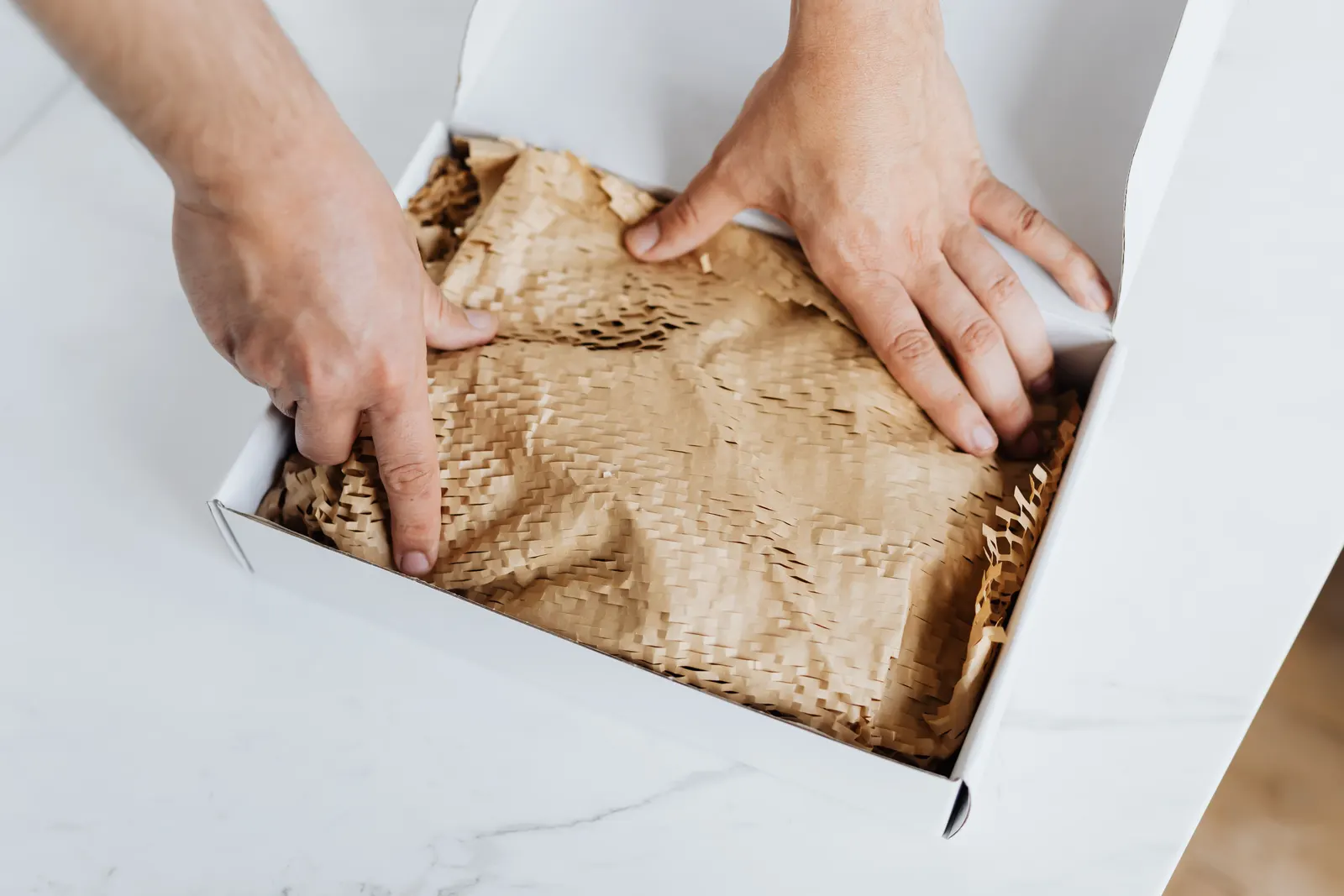
Swiss consumers are among the most demanding in Europe on environmental questions. Recyclable packaging, CO₂-neutral delivery, short supply chains… That is no longer a bonus. It is an expectation.
4. Omnichannel by default
The Swiss love comparing, visiting the shop then buying online… or the other way round. You need a consistent presence strategy across your channels. The journey has to be smooth. Not perfect, but smooth.
The traps to avoid
What we see far too often:
- Sites that present themselves as Swiss, but with vague delivery times, customs fees discovered on receipt and generic legal notices.
- Untranslated product pages, or badly translated ones (hello, Google Translate).
- Non-existent or distant after-sales service (the “please contact our department in Germany…” kind)
Mistakes like these are very expensive. Because in Switzerland, digital word of mouth travels fast. And it is unforgiving.
Business opportunities in Switzerland
Want to launch or relaunch your e-commerce business in Switzerland? Here are the sectors we think are promising:
- Organic, local and premium food (a proliferation of small digitised producers, even if the bankruptcy of Farmy, in May 2026, is a reminder that fresh-food logistics remain demanding)
- Natural cosmetics made in Switzerland
- Outdoor and mountain products (makes sense, doesn’t it?)
- Personalised subscriptions: coffee, wine, tea, snacks, a model that is hugely popular
And for foreign brands: creating a 100% Swiss mirror site, with a .ch domain, a local address and French- or German-speaking customer support, is often the trigger that opens the market.
Our Smart Impact tips for performing well in Switzerland
- Work on your local SEO: specific keywords, technical structure optimised for Google.ch, backlinks from .ch domains.
- Deploy a geotargeted SEA strategy: do not spend your budget targeting “France” or “Belgium” without specifying “French-speaking Switzerland”.
- Create trilingual content if you are targeting the whole country.
- Show your Swiss customer reviews through Trustpilot, Google or other local platforms.
And above all: adapt your storytelling. Swiss audiences want proof, not promises.
Going further: 3 questions to ask yourself
1. Is your site 100% localised for Switzerland?
Not just translated, but designed for Switzerland: prices in francs, a clear contact address, compliant legal notices, delivery and customs costs announced from the product page? Hosting in Switzerland remains a choice (data protection, image), not what reassures the buyer first.
2. Do your marketing campaigns speak to Swiss audiences?
Do they draw on their codes, their references, their values?
3. Do your prices include Swiss VAT?
Transparency is essential. No Swiss person likes to see “surprise” fees at the end of the basket. It is also an obligation: according to the SECO brochure on online commerce, the Price Indication Ordinance requires displaying in Swiss francs the price actually payable, taxes included, and making shipping costs visible on the product page or one click away. Payments, VAT and logistics are detailed in our guide to selling online in Switzerland.
Now it is your turn
At Smart Impact, we design online shops for brands that want to establish themselves durably in the Swiss market. Not with “tips and tricks”, but with a solid strategy that is local and, above all, human.
Do you have a project? Need a Swiss expert eye on your site or your e-commerce strategy? Get in touch here for a first conversation.