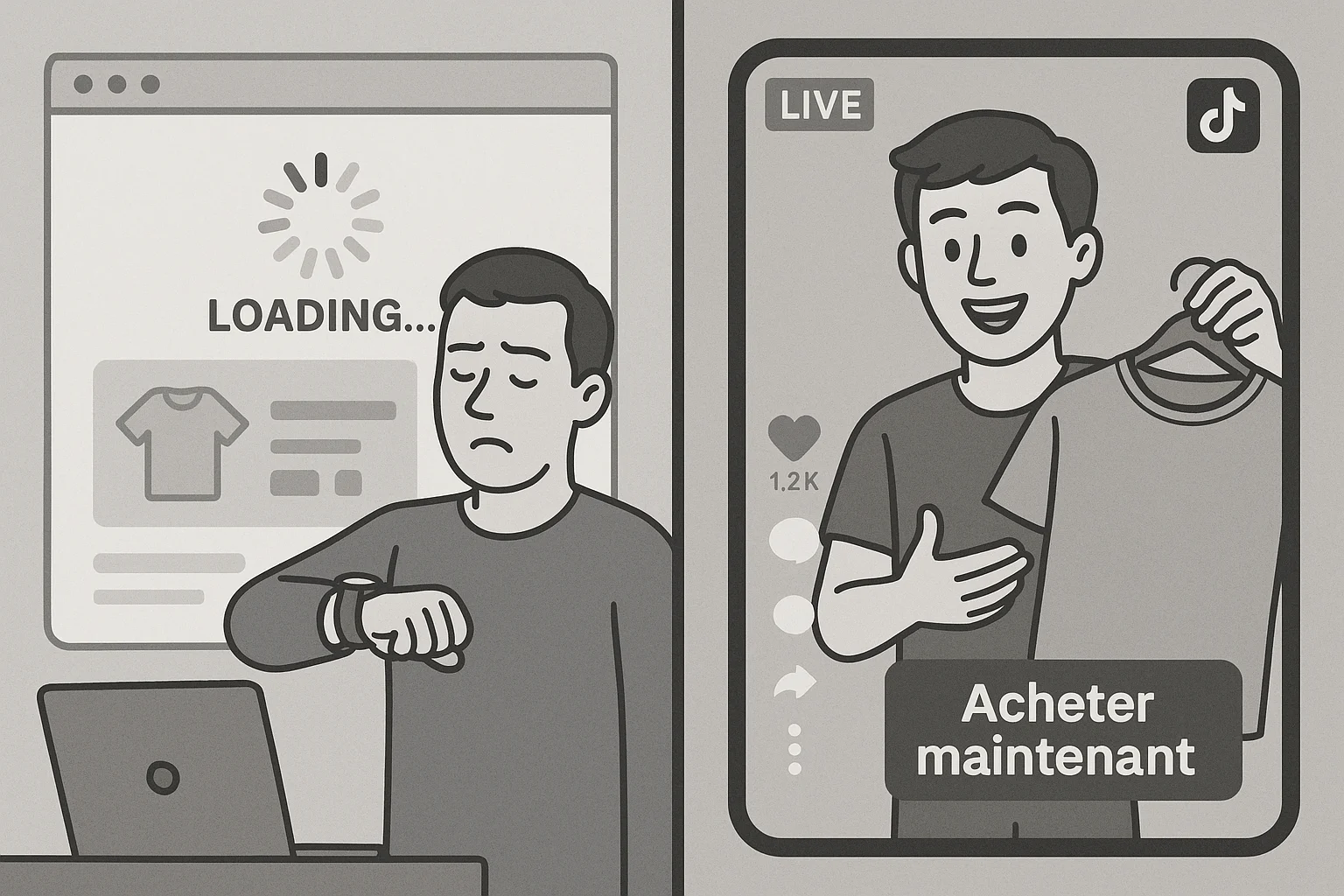
It is simple, raw video content converts better: towards a strategy of editorial sobriety
In an ecosystem saturated with over-produced visual content, where every video seems calibrated for TikTok or LinkedIn, a discreet but strategic trend is gaining ground: the return to raw content. No dressing up. No effects. And even less artificial storytelling. Only clarity, expertise, and a willingness to get to the point.
This shift is not a passing fashion. It is a clear-eyed response to a structural change in the way audiences consume content, and above all decide. Drawing on recent data and concrete scenarios, we offer an in-depth analysis here: why “raw” content, or more accurately stripped-back content, may well become a central tool of video marketing.
The silent saturation of “perfect” videos
Since 2020, the production of so-called “professional” video content has exploded. With tools like CapCut, Descript, Runway and Canva becoming mainstream, creating a dynamic video, edited, subtitled and animated, has become accessible. The result: all the content ends up looking the same.
Background music, quick cuts, punchy subtitles, face-to-camera framing, three-act storytelling… The formats are mastered, the signals standardised. And that is where the problem begins.
According to the State of Video Marketing 2024 (Wyzowl):
- 90% of marketers say video has strengthened their brand awareness
- 87% say it has helped them generate leads
So video works. The real question lies elsewhere: when all content looks alike, which one holds the attention of the right prospects? Too much content looks like campaigns, not like answers.
What cognitive science says: enjoyment ≠ engagement
When a video is aesthetically pleasing, well paced, “like on TV”, it triggers the fast reward system: dopamine, short-term pleasure, passive consumption logic.
But this type of content leaves little room for analysis, reflection or personal projection. That is our reading of it, drawing on the distinction popularised by the psychologist Daniel Kahneman in Thinking, Fast and Slow (2011) between fast, automatic thinking (“system 1”) and slower, more deliberate thinking (“system 2”):
- Content rich in visual stimulation mainly engages the first, the one of immediate reactions
- Plain, explanatory content leaves more room for the second, the one of evaluation and choices
In other words: what is pleasant to look at is not necessarily what triggers the urge to act, as we discuss in this article on buzz.
Why raw content acts as a filter
Raw video is not “just” faster to produce. It is also more effective at reaching the right profiles. It works as a natural filter:
- It filters out passive viewers looking for a moment of distraction
- It keeps those who want a clear answer to a precise question
Within an inbound strategy, this creates a form of implicit pre-qualification. If someone watches a plain 6-minute video on an SEO audit or a thermal renovation plan, they are already in active analysis mode. Raw content attracts decision-makers. Polished content attracts the curious.

Two typical scenarios in B2B and B2C
B2B: a cybersecurity software vendor
Take a Lausanne-based startup specialising in cloud security that films a video with no editing: a consultant shows how to audit a badly configured S3 bucket, in real time, sharing their screen.
This format speaks directly to the technical managers who have this problem in front of them, whereas a heavily produced video mostly collects likes.
B2C: a bedding brand
Imagine an SME from French-speaking Switzerland in the sleep sector that publishes a 5-minute video, with no music and no editing, where an expert explains sleep cycles at a whiteboard and how a poor bed base can disrupt them.
The viewer leaves with a concrete reason to go and look at the product pages, without any paid advertising.
The 4 understated formats that convert better
No need to reinvent the wheel. Here are the formats most used in a restrained content strategy:
1. Slides + narration
A narrated slide deck. 5 to 8 simple slides, with a clear voice. Used to explain a concept, break down a method, or structure a short training session.
2. Whiteboard
Either physical (flipchart, whiteboard) or digital (Miro, Figjam). The perfect format for illustrating a process, an action plan or a hierarchy of ideas.
3. Screen sharing
Ideal for showing a tool, running an audit, or walking through a process. The viewer sees what you see. It is not glamorous, but it is reassuring.
4. Video podcast (or solo to camera)
No editing, no gimmick. Just a person talking about a subject, in depth. The favourite format of consultants, experts, therapists and trainers.
👉 All these formats are quick to produce, authentic, and mainly require preparation on substance, not on form.
Why does it work? The strategic summary
| Benefit | Mechanism triggered | Business impact |
|---|---|---|
| Credibility | Perceived authenticity, effort towards clarity | Improved conversion rate |
| Clarity | Less cognitive distraction | Better understanding of the offering |
| Speed | Leaner production, faster feedback | Test & learn, many times more often |
| Filtering | Self-selection through the format | A more qualified audience |
What raw content is not
- This is not amateurism. It calls for a clear structure and a strategic intent.
- It is not reserved for B2B. It also works for e-commerce and for health, home and education brands.
- It is not “worse”. It is simply another approach to quality: clarity rather than aesthetics.
Raw video is not a miracle solution. It is, however, a lever that suits situations where you are looking to educate, to qualify, to trigger an action, not simply to generate reach.
Where does it fit in your content strategy?
Raw content is not meant to replace everything else. It complements it.
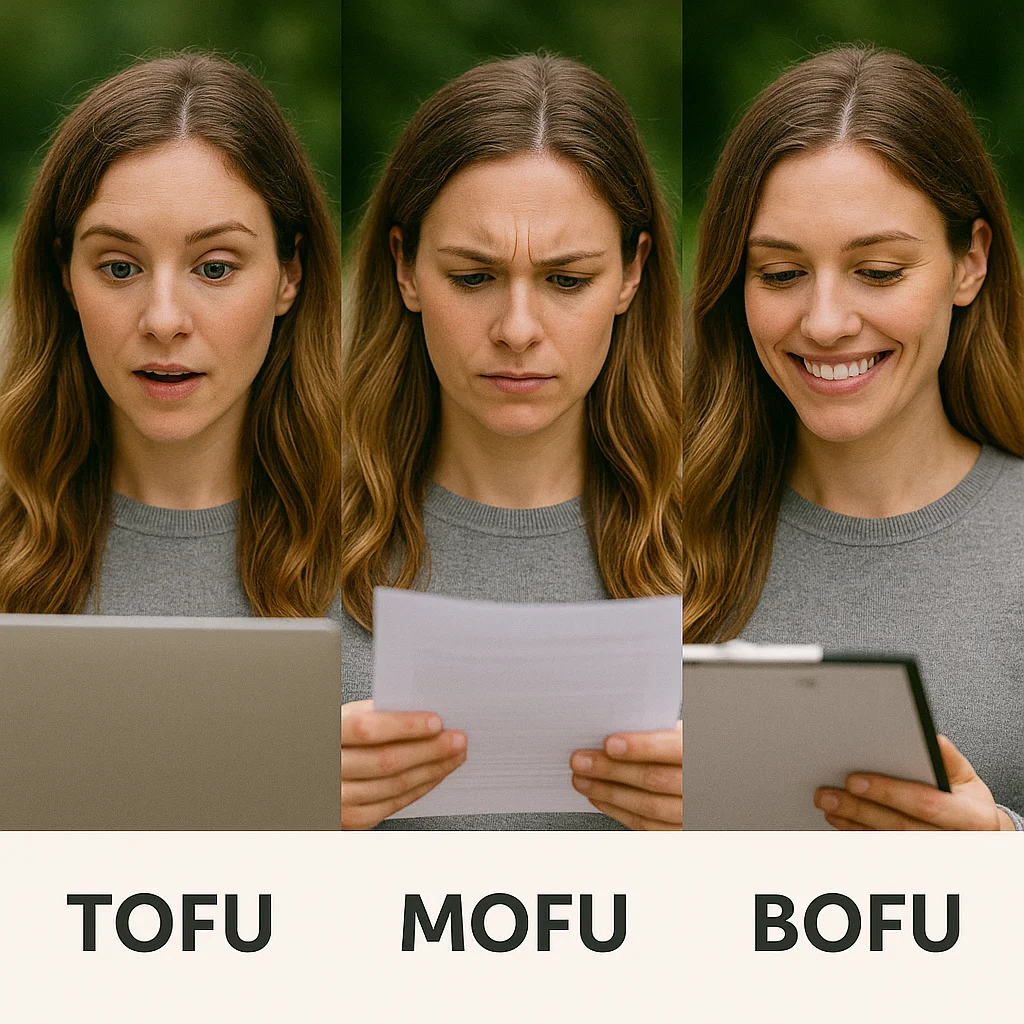
| Objective | Recommended content |
|---|---|
| Awareness | Produced, inspirational content |
| Acquisition | Raw, demonstrative content |
| Nurturing | Restrained webinars, educational series |
| Customer loyalty | Podcasts, audio newsletters |
The remaining question is where to publish these videos, and that choice depends on your target more than on trends: we cover it for B2B companies in our article on the social network to choose for a B2B SME.
Making a raw video findable on Google
A plain video does not remove the need for SEO work, it moves it. Before filming, start from the questions your customers actually type, then look at the results page: if a useful query still shows no video, the spot is up for grabs. Google then recommends giving each video its own page, with its own title and description, a valid thumbnail and VideoObject structured data. For a video hosted on YouTube, timestamps in the description allow Google to display key moments, those shortcuts to a specific passage. A six-minute demonstration on heat pump maintenance, published by an installer in Sion on a dedicated page, thus has a chance of being found at the moment the question arises.
Operational framework: producing without adding complexity
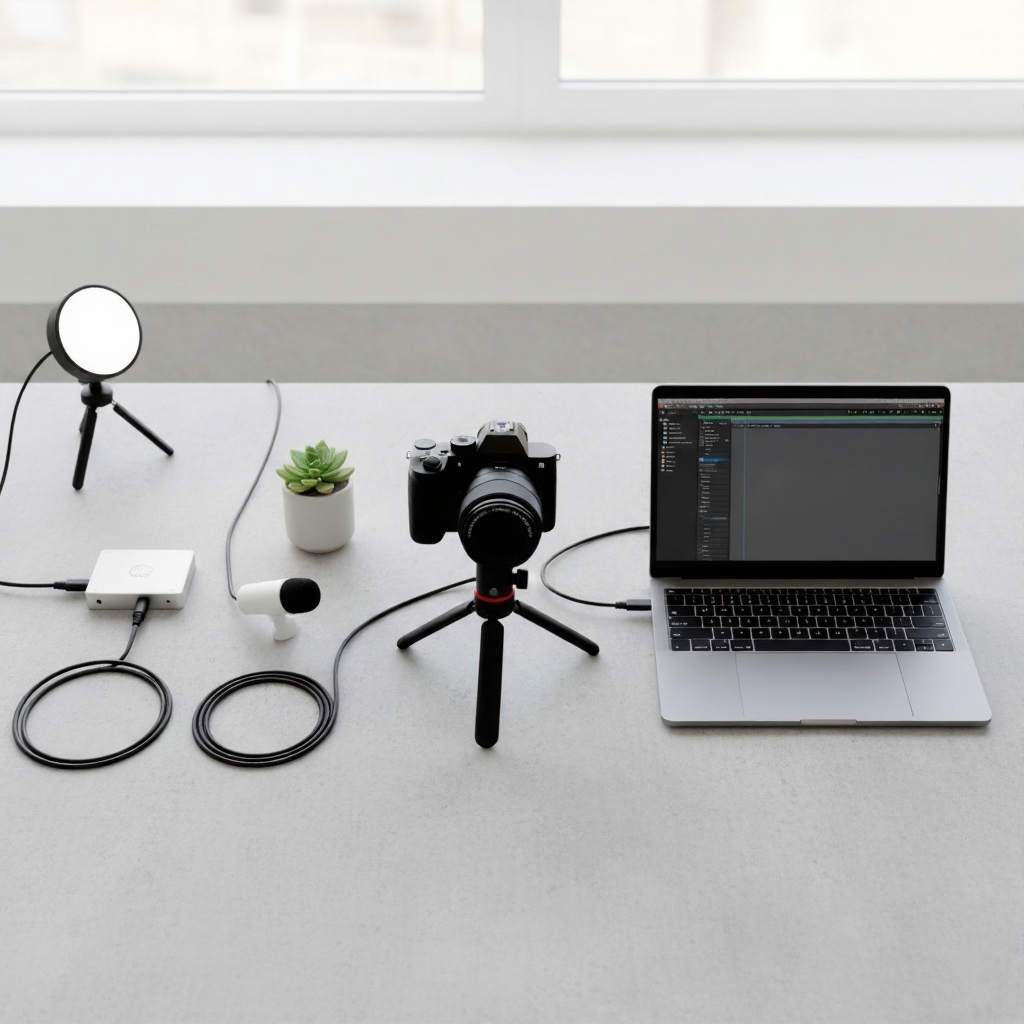
Minimalist production checklist:
- 🎯 A precise, solution-oriented subject
- 🗂️ Clear plan in 3 to 5 points
- 🎤 A lapel microphone or a simple headset
- 📱 Recent smartphone or HD webcam
- 🧹 No editing apart from simple cuts (unnecessary noise or silences)
Ideal length: between 4 and 8 minutes. Recommended rhythm: one raw format a week, to keep the regularity and refine the quality over time.
A video for the right people
Raw video does not try to please everyone. It speaks to the right people. It is not there to charm, but to convince.
This format, long seen as secondary or reserved for freelancers, is now a genuinely strategic choice. Less expensive. Faster. And often far more effective.
In a world of ultra-visibility, brands that know how to speak clearly to their audience will always be a step ahead. And sometimes that clarity begins… with a video shot in a single take, without frills, but with a genuine point of view. If you want to test a first raw format, we can talk about it during a first conversation.