
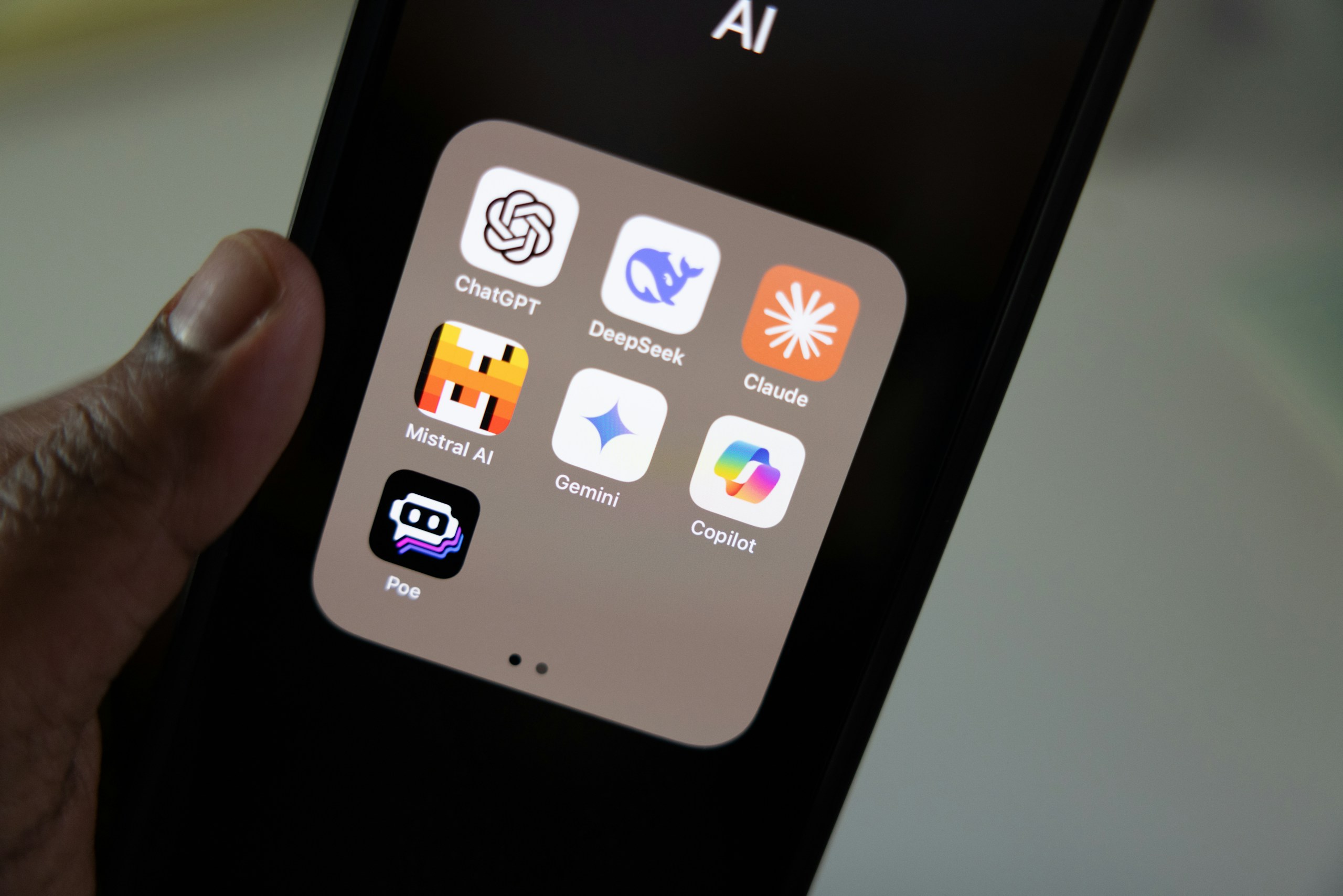
Anthropic is reportedly about to unveil Claude Sonnet 5, a new version of its “mid-range” AI model, and the sector is holding its breath. Since the beginning of February, several signals spotted by developers and observers have fuelled the idea of an imminent release, possibly through a gradual rollout, with no major prior announcement.
If this information is confirmed, Sonnet 5 could become one of the most significant launches of the year in generative AI. The reason: the model would aim for a very aggressive balance between performance and cost, a decisive point for companies deploying assistants at scale or code tools in production.
One objective: stronger, without blowing up the bill
The rumours converge on one theme: efficiency. Sonnet has established itself with product teams and developers because it often offers an excellent quality-to-price ratio. Sonnet 5 is said to go further, with announced performance gains while keeping attractive pricing, which could make it particularly competitive for “enterprise” uses and coding workloads.
Some observers even point to a significant cost gap compared with more “premium” models, while coming close to their level on several tasks. If that is accurate, the impact would be immediate: the “frontier” between mid-range and top-end models would become far blurrier.
Agents, long context and speed: the three key promises
Another point regularly mentioned: enhanced capabilities for “agent” type scenarios, that is, assistants able to chain steps together, keep track of a long piece of work and juggle several objectives without losing context. There is also talk of faster inference, a detail that changes everything as soon as you move from prototype to daily use.
In plain terms, Sonnet 5 would target the tasks that are expensive today: long workflows, structured reasoning, multiple iterations, and continuous software development.
A developer focus with Claude Code
Finally, the future version would reportedly strengthen integration with the developer-oriented environment of the Claude ecosystem, particularly for code. The idea: a model that holds up better over long sessions, understands a codebase better, and is more consistent in carrying out complex tasks.
If this direction is confirmed, Sonnet 5 could become a default choice for teams that want a “production-ready” model without systematically moving up to a more expensive range.
Worth bearing in mind: no official date
For now, nothing has been officially dated. What is circulating remains speculation, even if the accumulation of clues, public discussions, mentions and preparation signals clearly feeds the anticipation.
If Anthropic confirms this, the real test will be simple: the performance-to-cost ratio on concrete cases, and stability in production.